
Are you looking for a new specialty for your photo business? Event photography can be a good option as a way to maximize your income. Depending on where your location is, you can usually work business-to-business with corporations, and these 8 tips for Event photography are going to be very helpful for you.
Event photography is a generic term used to describe any on-location shoot with a lot of creative natural moments where you are hired to capture images of a group of people. Everything from weddings and concerts to corporate events and retreats falls under this photography.
Your job is more of a documentarian, as you can’t afford to miss the critical shots and every small moment. Following this means that you need to spend a significant amount of time preparing for the shots and shoots.
Tip 1. Being punctual and arrive early

Being punctual is the mark of a true professional. But beyond just being on time, go a little further and get there early as possible. You can also prepare your setup and plan pre-event shots that may be invaluable to the event organizers and your team. Take shots of the place settings, decorations,and guest arrival and anything else that the team has setup to make the event special.
Tip 2. Dress for the Event shoots(accordingly)

Most corporate events are work-formal occasions, but there are some fancier black-tie events too. Your goal is to look professional and blend in as best you can. Know ahead of time what the attire requirements are going to be. Often, photographers who shoot events have a special outfit or two that they designate as their event photography formal wear mostly in big events.
Tip 3. Mingle (most important in event shoots)
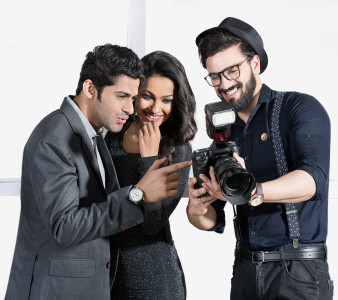
Likewise, you don’t want to stick to one spot and you can’t because. You’ve got to roam around with your camera and look for special moments. Chat with the participants and make them comfortable before capturing.Just like with portrait clients or personal shoots, make the guests comfortable and feel at ease. Have fun with them.
Tip 4. Plan Your Event Shots (Beforehand)

Working from a shortlist has the advantage that you can see things coming and work to set up your shots with the right people in advance by managing it with your team. This is especially helpful with VIPs and speakers who are generally at a special table with their reserved seats.
Tip 5. Be a Low-Light Ninja in Event shoots

Special events are nearly always held indoors at night. There might even be some colored lights in the venue for ambiance. None of that bodes well for the photographer.
With all of these limitations, you have to keep an eye on some standards for the shoot. You can’t deliver blurry photos that result from the shutter speed being too slow. You can’t provide dim or dark images.
Tip 6. Do Not Fear Using High ISO Settings

If you’ve got a good low-light camera, chances are it takes decent photos when the ISO is set very high. There’s a line where the image quality will be unacceptable for your client, and you need to know where that line is. While practicing your low-light shooting, take some samples at each ISO and find where you think the line is.
Tip 7. Always Use RAW Files for editing Event shoots

There are many advantages to shooting in RAW. One of them is that they enable you to correct colors and exposure errors after the edit fact easily. They enable you to control white balance, tint, and contrast details far more effectively than other file formats. With the right software, you can even batch edit the photos quickly if you know the specific adjustments that all of the images need. That’s why we made these 8 tips for event photography as combine description for a successful event shoot
Tip 8. Prepare for lights before Event shoot
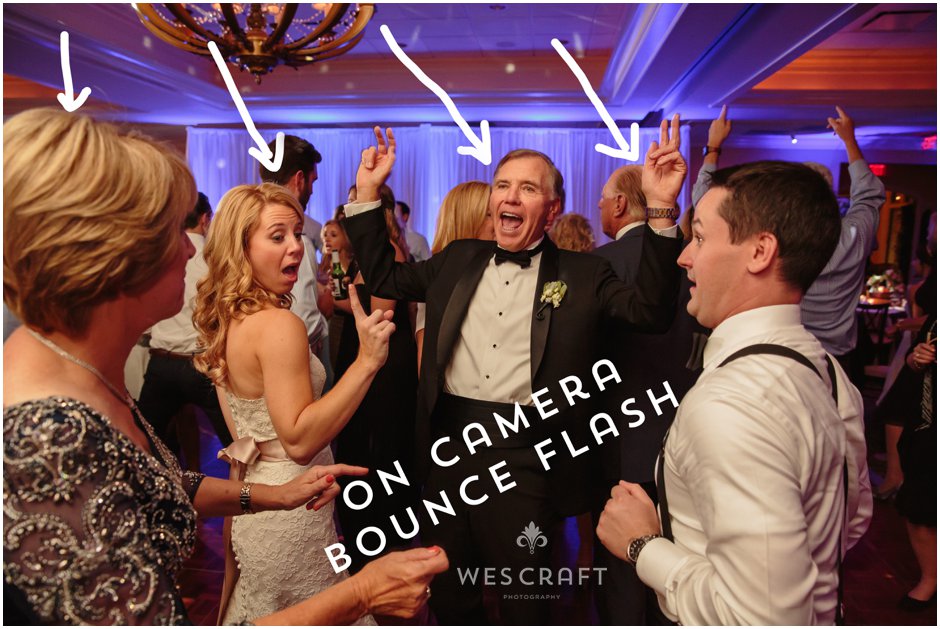
Lighting plays the more important part for example you don’t want your best friend at dark events will be a solid Speedlight, but the last thing you want to do is stick it on the camera’s hot shoe and aim it right at your subjects. Avoid that deer in the headlights look but using an on-flash softbox. These are plastic boxes that stick onto the flash itself to give it a much softer and more diffused light.
Conclusion
Event photo sessions can be a lot of fun. They are varied and different, and you get to interact with different people and businesses that you might not normally get to meet.
These 8 tips for Event photography, mainly contracts with most of the critical aspects of working in this field as it requires deep research and creative skills. Because this will help you to get good clients and a more great contract to grow your business in the future.
Your primary camera body should be something that excels in low-light conditions. Full-frame digital SLRs are usually the best choice. Their big sensors let in more light, to begin with, giving you an advantage from the start.
Your lenses should match the body in their low-light abilities. Fast lenses are a must-have, and you should consider f/2.8 to be a minimum requirement. While prime lenses that are that fast are more affordable, a zoom lens is much more user-friendly in the event setting where you might not have time to move around yourself. There is no one-size-fits-all lens, but a 24-70mm f/2.8 is a great starting place.
do check out our Event Shoots here!